

RRV-10
Key Features
- Emulates the Boss Micro Rack RRV-10 digital reverb from the 1980s.
- Uses the HG61H20R36F chip emulator from the MUNT project for a specific vintage hardware target.
- Covers nine hardware-style programs including rooms, halls, plates, multi-tap, reverse, and gated reverb textures.
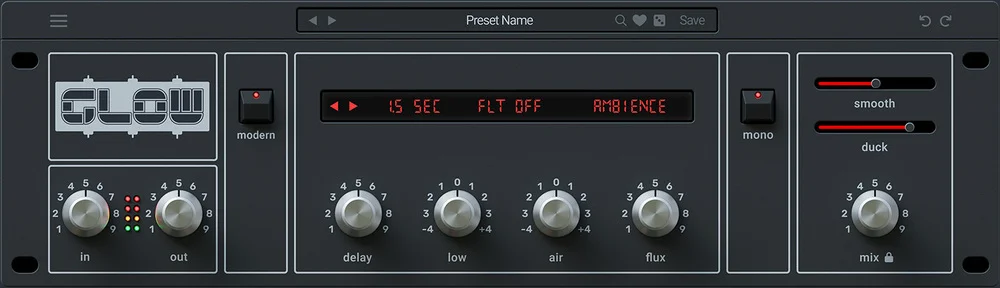
- Keeps hands-on controls focused on decay, pre-EQ, dry/effect blend, direct level, and front-panel switching.
- Adds lo-fi early-digital ambience for drums, synths, guitars, vocals, and retro production details.
- Provides current GitHub release builds for macOS, Windows, and Linux users.
Description
RRV-10 is a small digital reverb plugin based on the Boss Micro Rack RRV-10 hardware from the 1980s. It brings that compact rack-unit approach into a DAW with AU and VST3 builds, focusing on period digital ambience rather than polished modern algorithmic space.
The plugin uses the HG61H20R36F chip emulator from the MUNT project, which gives the project a more specific technical target than a generic vintage reverb skin. Its core appeal is the grainy, lo-fi 12-bit character associated with early compact digital reverbs.
RRV-10 keeps the hardware-inspired workflow simple: nine reverb algorithms, decay, pre-EQ, dry/effect balance, direct level, and front-panel style switches. That makes it useful for quick gated drums, short rooms, plates, reverse-style textures, and deliberately dated ambience on synths, guitars, and vocals.
The current developer-controlled release is hosted on GitHub and includes plugin assets for macOS, Windows, and Linux, with notes for unsigned macOS builds and the Visual C++ redistributable on Windows. It is best treated as a character reverb and retro production color, not as a pristine all-purpose mix reverb.
Frequently Asked Questions
What hardware is RRV-10 based on?
RRV-10 is based on the Boss Micro Rack RRV-10 Digital Reverb, a compact rack unit from the 1980s. The developer describes smol-rack as a series of digital emulations for that Micro Rack effects line.
What kinds of reverb programs does it include?
Coverage follows the original-style program set: small and large rooms, small and large halls, small and large plates, multi-tap delay, reverse, and gated reverb. That makes it especially useful when you want obvious early-digital character rather than transparent space.
Why might macOS block the plugin at first launch?
The official README notes that macOS may quarantine the plugin because it comes from an unregistered developer. Giulio Zausa provides a terminal command for removing the quarantine attribute from the AU component if needed.


